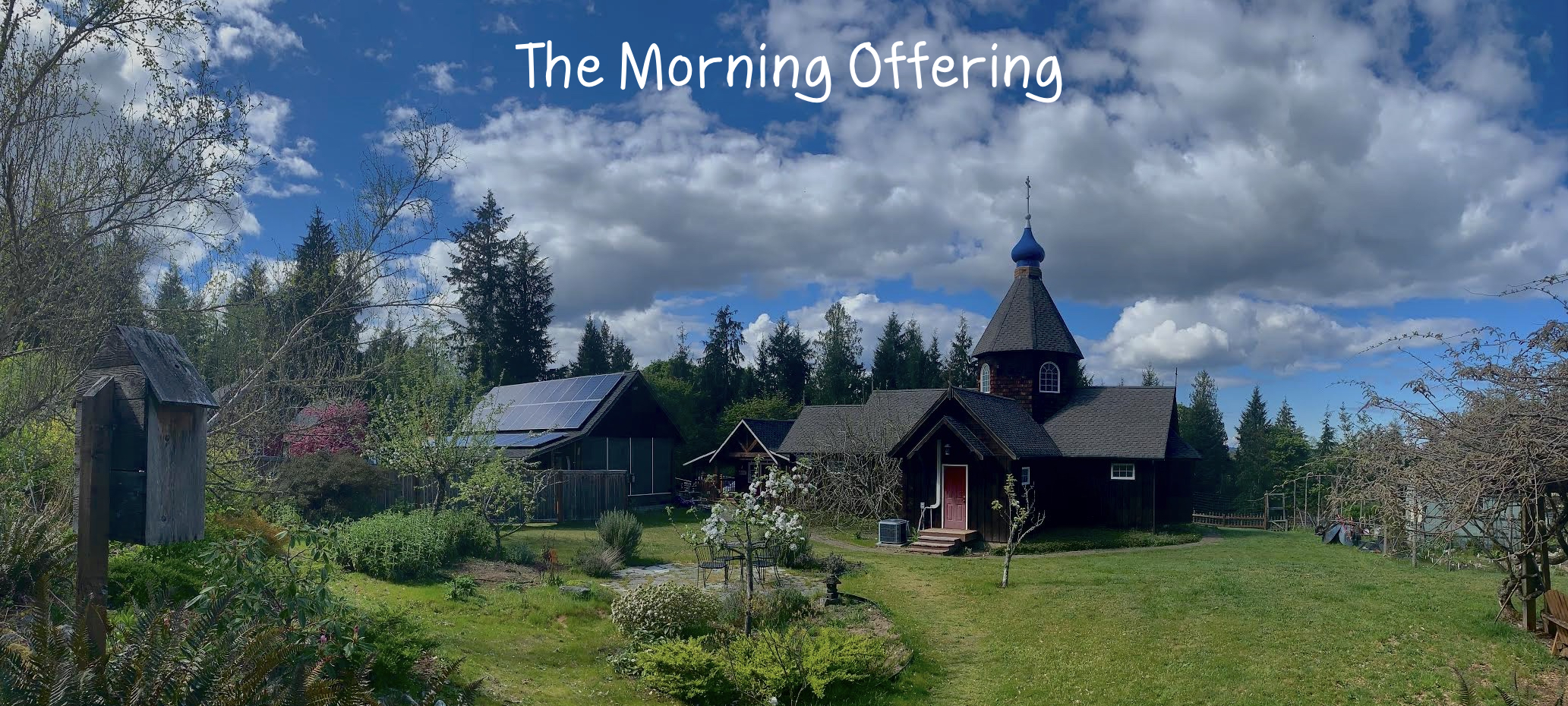
The transformational power of our Faith unchanged
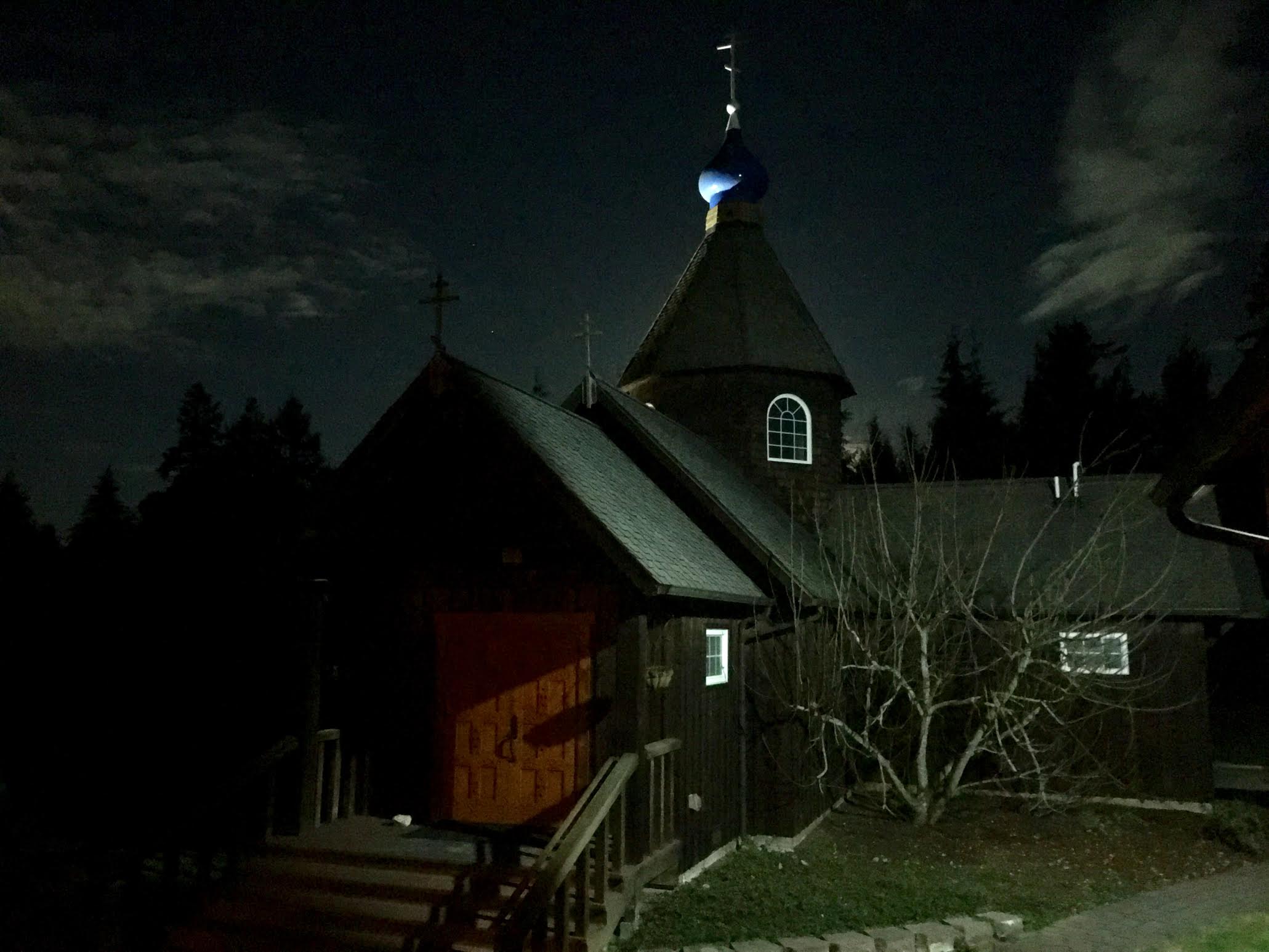
In an age when many Christian denominations are trying to appear relevant and modern, I am finding that large numbers of people are drawn to the Ancient Faith by the beard and robe. I am constantly thanked for dressing as I do by people who appreciate symbols of faith in the midst of a secular world. Many Orthodox jurisdictions that previously wanted to blend in with their Catholic and Protestant neighbors by having our clergy put off the traditional “look” of Orthodoxy, are now rediscovering the wisdom of these traditions. Now that large numbers of the clean shaven, and modern attired, heterodox clergy have been discredited in the minds of the world, due to theological and moral lapses, is there any logical reason we Orthodox would really want to imitate them?
Like so many other Orthodox clergy, I can also attest to the fact that my beard, and my way of dress, are a great aid in keeping me, sinner that I am, constantly attuned to my vocation as a monk, and as a priest. It is hard to forget your high calling when you “dress for work” each and every hour of every day. Our appearance is a constant reminder that we, as priests, have been set apart as Guardians of the Mysteries, and Servants of the Most High.
From my personal observations, I have come to believe that Orthodoxy, if it is to thrive into the next century, must adhere to the ancient traditions and roots of the faith that have set her apart from the religions. The Church must proclaim the Good News of Christ in all its purity, so that the mystical and sacramental core of her very being be clearly seen by a world that so needs this ancient, unchanging faith. The world must see by our differences that Orthodoxy offers the transformational healing that comes through the life of Christ’s Church. By clinging to her ancient, God inspired Tradition, the Church takes seriously the mystical and sacramental roots of her divinely founded self.
As we Orthodox look in amazement at the phenomenal resurrection of our Church following the fall of communism, what with the thousands of new churches being reopened, new ones built, and monasteries growing at a phenomenal rate, we will see that the twenty-first century could well be the Age of Orthodoxy. And for this to happen, we must put off everything that has brought down Western Christianity.
Accountability must be foremost in how we operate as religious institutions. Bishops and priests must be accountable to one another, transgressions against the Body of Christ must be rooted out, and the clergy (including our bishops) must serve others as humble servants of Christ, and as living icons of the Gospel message. Our co-suffering Saviour must be seen in how we serve, and in how we live, and in how we love. The transformational power of Orthodoxy must be allowed to change the world, as the “institutional” church is replaced with the gospel vision of the Church as Hospital of the Soul.
The Orthodox Church will thrive in the twenty-first century only if we commit to being the otherworldly people we are called to be, living in the world, but not being of the world. The Church will thrive, not because she adapts to modern styles of dress, and modern trends of moral and theological thought, but because of her willingness to serve the world in imitation of the holy fathers of the Church who have gone on before us, and who refused to conform to the styles and fashions of a world that has always been in need of the unchanging Faith that has the power to transform lives, and usher the human race into communion with the Most High God.
Love in Christ,
Abbot Tryphon
Thursday January 12, 2017 / December 30, 2016
30th Week after Pentecost. Tone four.
Sviatki. Fast-free
Afterfeast of the Nativity of Christ.
St. Macarius, metropolitan of Moscow (1563).
Virgin-martyr Anysia at Thessalonica (298).
Martyr Zoticus of Constantinople, feeder of orphans (4th c.).
New Hieromartyr Priest Sergius Florinsky of Rakvere, Estonia (1918).
Virgin-martyr Mary (1946).
Apostle Timon the Deacon (1st c.).
Martyr Philoterus of Nicomedia, and with him six soldiers and one count (311).
Venerable Theodora, nun of Caesarea in Cappadocia (8th cen.).
Venerable Theodora, nun, of Constantinople (940).
New Martyr Gideon of Karakallou, Mt. Athos (1818) (Greek).
Martyrs Magistrianus, Paulinus, Umbrius, Verus, Severus, Callistratus, Florentius, Arianus, Anthimus, Ubricius, Isidore, Euculus, Sampson, Studius, and Thespesius, who suffered under Julian the Apostate (4th c.).
Opening of the relics (1652) of Venerable Daniel of Pereyaslavl (1540).
St. Egwin, bishop of Worcester (717) (Celtic & British).
St. Tryphon, bishop of Rostov (1468).
St. Leo the Archimandrite (Greek).
St. Isaacius of Dalmaton (Greek).
The Scripture Readings
John 10:1-9
Jesus the True Shepherd
10 “Most assuredly, I say to you, he who does not enter the sheepfold by the door, but climbs up some other way, the same is a thief and a robber. 2 But he who enters by the door is the shepherd of the sheep. 3 To him the doorkeeper opens, and the sheep hear his voice; and he calls his own sheep by name and leads them out. 4 And when he brings out his own sheep, he goes before them; and the sheep follow him, for they know his voice. 5 Yet they will by no means follow a stranger, but will flee from him, for they do not know the voice of strangers.” 6 Jesus used this illustration, but they did not understand the things which He spoke to them.
Jesus the Good Shepherd
7 Then Jesus said to them again, “Most assuredly, I say to you, I am the door of the sheep. 8 All who ever came before Me are thieves and robbers, but the sheep did not hear them. 9 I am the door. If anyone enters by Me, he will be saved, and will go in and out and find pasture.
Hebrews 10:35-11:7
35 Therefore do not cast away your confidence, which has great reward. 36 For you have need of endurance, so that after you have done the will of God, you may receive the promise:
37 “For yet a little while,
And He who is coming will come and will not tarry.
38 Now the just shall live by faith;
But if anyone draws back,
My soul has no pleasure in him.”
39 But we are not of those who draw back to perdition, but of those who believe to the saving of the soul.
By Faith We Understand
11 Now faith is the substance of things hoped for, the evidence of things not seen. 2 For by it the elders obtained a good testimony.
3 By faith we understand that the worlds were framed by the word of God, so that the things which are seen were not made of things which are visible.
Faith at the Dawn of History
4 By faith Abel offered to God a more excellent sacrifice than Cain, through which he obtained witness that he was righteous, God testifying of his gifts; and through it he being dead still speaks.
5 By faith Enoch was taken away so that he did not see death, “and was not found, because God had taken him”; for before he was taken he had this testimony, that he pleased God. 6 But without faith it is impossible to please Him, for he who comes to God must believe that He is, and that He is a rewarder of those who diligently seek Him.
7 By faith Noah, being divinely warned of things not yet seen, moved with godly fear, prepared an ark for the saving of his household, by which he condemned the world and became heir of the righteousness which is according to faith.
Mark 11:27-33
Jesus’ Authority Questioned
27 Then they came again to Jerusalem. And as He was walking in the temple, the chief priests, the scribes, and the elders came to Him. 28 And they said to Him, “By what authority are You doing these things? And who gave You this authority to do these things?”
29 But Jesus answered and said to them, “I also will ask you one question; then answer Me, and I will tell you by what authority I do these things: 30 The baptism of John—was it from heaven or from men? Answer Me.”
31 And they reasoned among themselves, saying, “If we say, ‘From heaven,’ He will say, ‘Why then did you not believe him?’ 32 But if we say, ‘From men’”—they feared the people, for all counted John to have been a prophet indeed. 33 So they answered and said to Jesus, “We do not know.”
And Jesus answered and said to them, “Neither will I tell you by what authority I do these things.”
Dear Abbot Tryphon,
Thank you and all Orthodox clergy for wearing the symbols of our faith. Father, could you please point me to a site that will explain the true meaning and symbolism of all of the components worn by the Guardians of the Mysteries, and Servants of the Most High, including the beard?
Father Bless
Awesome photograph, Father. Not a bad homily,either 🙂
Externals are mall beer compared to the acute damage done to the essentials in Western Christianity beforehand.
One of the problems with the West is that prior to secularism getting on its own feet, social and political movements always had a confessional tinting…this is similar to what we are witnessing in majority Muslim countries, with results vastly different.
Sticking to ones traditions and avoiding subordination to trends makes it easier than having constantly to gainsay the bold and poorly thought-out innovations of the previous generation or so.
That said, we do need reminders that in spite of this countries with Catholic and Protestant majorities do practice their faiths in greater percentages. They do have it a lot easier than the Orthodox…not necessarily a good thing for each individual believer, but at least the Good News is more broadly cast.