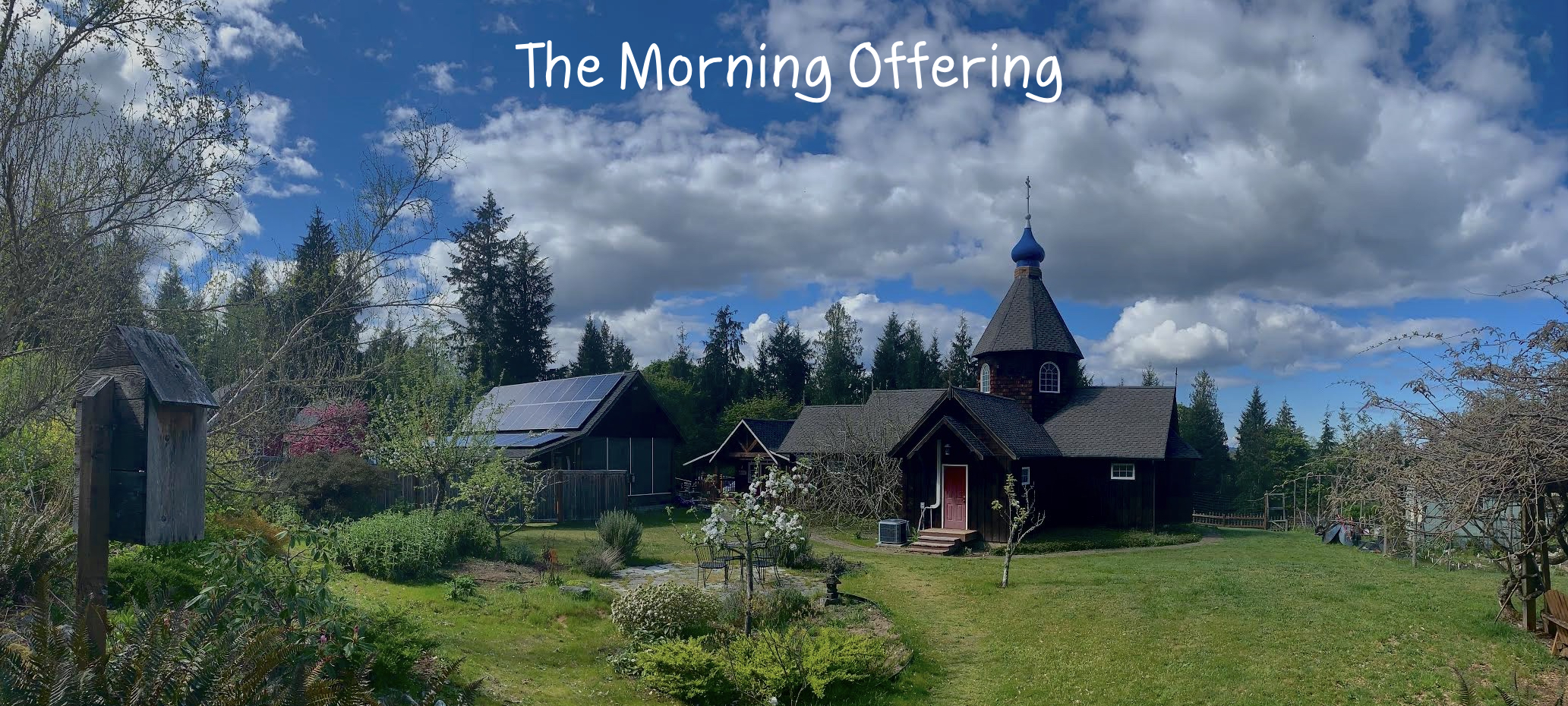
Finding God in an unbelieving world

God is quick to forgive, quick to show mercy, and quick to embrace us when we turn to Him. In all of eternity our God chose to create humankind in His image and likeness, offering His creatures the opportunity to commune with Him in the endlessness that is time. He’s given us free will, allowing us to choose, or not to choose, a relationship with Him. We, in our freedom, can choose between good (God) and evil (Satan), as is our choice.
We can usually tell the difference between good and evil. Murder and theft are obviously to be found in the evil camp, whereas kindness, philanthropic deeds, mercy and love, are in the camp of holiness, and the divine. Yet so many feel that God is simply a myth, a nice idea, but hardly believable. If this God they’d like to believe in were truly real, wouldn’t He make it easier to see Him, and seek Him out? If we are free to choose God, why doesn’t He make Himself easier to find? Why does this God expect us to believe in Him when we can not see Him, or feel Him? If there be a God, why doesn’t He simply make Himself known, letting us choose or not choose communion with Him?
These are questions that many people pose, at least to themselves. Many want to believe there is a God who cares for them, and is capable of making a difference in their day to day struggles, but just can’t quite surrender to belief. The nihilistic philosophy that has possessed the hearts of many young people today is based on the despair of an age that has seen so many wars, so much poverty, so many murders, so many children abused, and a seemingly hopeless future. How can there be a God when so much suffering abounds in this world? How can there be a God when even innocent people, good people, suffer?
Where is God? He is in the sunrise. He is in the glorious mountains, and the vast sea that stretches beyond the horizon. He is in the tender touch of a mother’s hand on her newborn baby. He is in the protective arm of the police officer who comforts the lost child. He is in the words of absolution pronounced by the priest after a good confession. He is in the smiling face of an old woman at the site of a young couple holding hands.
God is in the wonder of the cosmos on a darkened night. God is in the giggle of a small child playing with his grandfather. God is in the warmth of a kitten held in the hand of a small child.
God is in the cross that bore the Son of Man. God is in the bread and wine that becomes His body and blood. God is the transforming Spirit that changes hearts and makes men saints.
God is closer to us than our own breath, more loving than a grandmother’s embrace of a sick child. God is everywhere and fills all things. God is everywhere to be seen if only we look with open eyes and open hearts.
With love in Christ,
Abbot Tryphon
Friday August 21, 2020 / August 8, 2020
11th Week after Pentecost. Tone one.
Dormition (Theotokos) Fast. By Monastic Charter: Strict Fast (Bread, Vegetables, Fruits)
St. Emilian the Confessor, bishop of Cyzicus (820).
St. Philaret of Ichalka, Ivanovo (1913).
New Hieromartyr Joseph (1918).
New Hieromartyr Nicholas priest (1937).
New Hieromartyr Nicodemus (Krotov) archbishop of Kostroma and Galich (1938).
Venerable Gregory, iconographer of the Kiev Caves (12th c.).
Translation of the relics (1566) of Venerables Zosimas (1478) and Sabbatius (1435) of Solovki.
Second translation of the relics (1992) of Venerables Zosimas, Sabbatius, and Herman of Solovki.
St. Myron, bishop of Crete (350).
Martyrs Eleutherius and Leonides of Constantinople, and many infants with them.
Venerable Gregory of Sinai (Mt. Athos) (1346).
“Tolga” Icon of the Most Holy Theotokos (1314).
Martyr Gormizdas of Persia (418).
New Martyr Triandaphyllus of Zagora in Thessaly (1680) (Greek).
Twelve Ascetics of Egypt (Greek).
Two Martyrs of Tyre (Greek).
Martyr Styracius (Greek).
New Martyr Anastasius (Spaso) of Radovishte in Strumica who suffered at Thessalonica (1794) (Greek).
St. Gregory, wonderworker of the Kiev Caves (14th c.).
St. Zosimas the Sinaite of Tumana Monastery, Serbia (14th c.).
Monk-martyr Euthymius, abbot of the Monastery of St. John the Baptist at Garesja, Georgia (1804).
The Scripture Readings
2 Corinthians 4:13-18
13 And since we have the same spirit of faith, according to what is written, “I believed and therefore I spoke,” we also believe and therefore speak, 14 knowing that He who raised up the Lord Jesus will also raise us up with Jesus, and will present us with you. 15 For all things are for your sakes, that grace, having spread through the many, may cause thanksgiving to abound to the glory of God.
Seeing the Invisible
16 Therefore we do not lose heart. Even though our outward man is perishing, yet the inward man is being renewed day by day. 17 For our light affliction, which is but for a moment, is working for us a far more exceeding and eternal weight of glory, 18 while we do not look at the things which are seen, but at the things which are not seen. For the things which are seen are temporary, but the things which are not seen are eternal.
Matthew 24:27-33
27 For as the lightning comes from the east and flashes to the west, so also will the coming of the Son of Man be. 28 For wherever the carcass is, there the eagles will be gathered together.
The Coming of the Son of Man
29 “Immediately after the tribulation of those days the sun will be darkened, and the moon will not give its light; the stars will fall from heaven, and the powers of the heavens will be shaken. 30 Then the sign of the Son of Man will appear in heaven, and then all the tribes of the earth will mourn, and they will see the Son of Man coming on the clouds of heaven with power and great glory. 31 And He will send His angels with a great sound of a trumpet, and they will gather together His elect from the four winds, from one end of heaven to the other.
The Parable of the Fig Tree
32 “Now learn this parable from the fig tree: When its branch has already become tender and puts forth leaves, you know that summer is near. 33 So you also, when you see all these things, know that it is near—at the doors!
Matthew 24:42-51
42 Watch therefore, for you do not know what [a]hour your Lord is coming. 43 But know this, that if the master of the house had known what [b]hour the thief would come, he would have watched and not allowed his house to be broken into. 44 Therefore you also be ready, for the Son of Man is coming at an hour you do not expect.
The Faithful Servant and the Evil Servant
45 “Who then is a faithful and wise servant, whom his master made ruler over his household, to give them food [c]in due season?46 Blessed is that servant whom his master, when he comes, will find so doing. 47 Assuredly, I say to you that he will make him ruler over all his goods. 48 But if that evil servant says in his heart, ‘My master is delaying [d]his coming,’ 49 and begins to beat his fellow servants, and to eat and drink with the drunkards, 50 the master of that servant will come on a day when he is not looking for him and at an hour that he is not aware of, 51 and will cut him in two and appoint him his portion with the hypocrites. There shall be weeping and gnashing of teeth.
” For since the creation of the world His invisible attributes are clearly seen, being understood by the things that are made, even His eternal power and Godhead, so that they are without excuse, because, although they knew God, they did not glorify Him as God, nor were thankful, but became futile in their thoughts, and their foolish hearts were darkened. ” Romans 1:20,21
Blest day Father.
. Thank you Abbot Tryphon, for your beautiful message. It is just what we need in these times of disease, violence, and mostly a lack of faith.